BYOD

BeckyStrause

More and more companies are adopting BYOD (Bring Your Own Device) policies.  This trend is partially because most of us have mobile devices, and we like to use them.  We’re seeing a cycle of more developments by tech companies in the BYOD spectrum, and more companies being willing to use those products as different products and more secure systems are developed.   The launch of Apple’s new Mini iPad may be one indication of the growth in the BYOD arena.  Another new major player may be the Microsoft Surface, since many companies use Microsoft Office as their main software systems and the Surface is Microsoft compatible.

By going BYOD an organization can go mobile with little up front costs, by allowing their salespeople to to use their own tablets and mobile phones on the job.  This also allows for more expedient and efficient onsite reporting, such as completing sales orders while still with the customer.  Recently, ADT has supplied their sales force with iPads.  They have reported sales growth, reduced overhead costs, and reduction in paper use since using the tablets.

While many companies can benefit from BYOD, the growth in the number of devices used by employees creates security and management challenges.  It’s crucial that organizations have systems and software in place to help them manage these devices and users on their networks.  Mobile Device Management (MDM) software manages, monitors, and supports mobile devices.  By using MDM software, organizations can reduce certain security concerns such as what would happen when an employee loses a mobile device because MDM offers such features as password protection and remote wipe.

Some of the benefits of going BYOD:

  • Employees get to use technology they’re used to
  • Companies save money by allowing employees to use devices they already own
  • Employees can cut down the number of devices they carry
  • Employees may take better care of their own devices
  • Companies can take advantage of new technology faster

Some things companies should consider before going BYOD:

  • Not all employees own mobile devices
  • Compatibility between devices may be an issue
  • Applications and tools may not be universal across all platforms
  • Better security and management may result in higher IT costs

As this technology trend continues, consider if this is the right direction for your company.  And if you need assistance deciding how BYOD could benefit your organization, feel free to contact us.


January 20, 2026
Modern construction and manufacturing sites are no longer just about heavy machinery; they’re digital ecosystems. Tablets, laptops, IoT sensors, and mobile apps are now essential for everything from blueprint access to production monitoring. These tools enable real-time collaboration, safety compliance, and operational efficiency. But when your workforce is spread across remote job sites or large facilities, keeping these systems connected and secure becomes a challenge. Construction Blueprint & Plan Access: Crews use tablets to view updated plans on-site, reducing errors and rework. Safety & Compliance Reporting: Mobile apps allow instant incident reporting and safety checks. Equipment Tracking: IoT sensors monitor heavy machinery usage and maintenance needs. Manufacturing Production Line Monitoring: Tablets and IoT devices track throughput and detect anomalies. Quality Control: Mobile devices capture and share inspection data in real time. Inventory Management: Connected devices streamline material tracking and reduce downtime. These tools keep projects moving, but only if they’re secure, updated, and accessible anywhere. Why Remote Access Is Critical Construction sites and manufacturing plants often operate in remote or rugged environments. Workers need secure, reliable access to company systems, whether they’re in the field, on the shop floor, or traveling between sites. Without proper management, connectivity issues and security gaps can lead to delays, data breaches, and compliance failures. How a Managed IT Services Partner Helps You Win Partnering with a Managed IT Services provider lik e Eberly Systems ensures: Centralized Device Management: Configure, update, and secure all devices remotely using Microsoft Intune. Enterprise-Grade Security: Microsoft Defender protects against threats across IT and OT environments. Identity & Access Control: Microsoft Entra ID enables MFA and conditional access for subcontractors and BYOD scenarios. 24/7 Monitoring & Support: Proactive threat detection and performance monitoring keep operations running smoothly. Scalable Solutions: Whether you have 50 devices or 500, policies and updates roll out automatically. This means your teams can access critical tools and data securely anytime, anywhere, without worrying about downtime or cyber risks. Construction and manufacturing thrive on precision and speed. Technology makes that possible, but only when it’s managed effectively. A trusted Managed IT Services partner doesn’t just keep devices secure, it keeps your business moving, your workforce connected, and your data protected. Ready to empower your teams and safeguard your operations? Contact Eberly Systems today for a free consultation.
By Guest Blogger December 9, 2025
Why Device Management Is Critical
November 4, 2025
Why Cybersecurity Hygiene Matters for SMBs
October 28, 2025
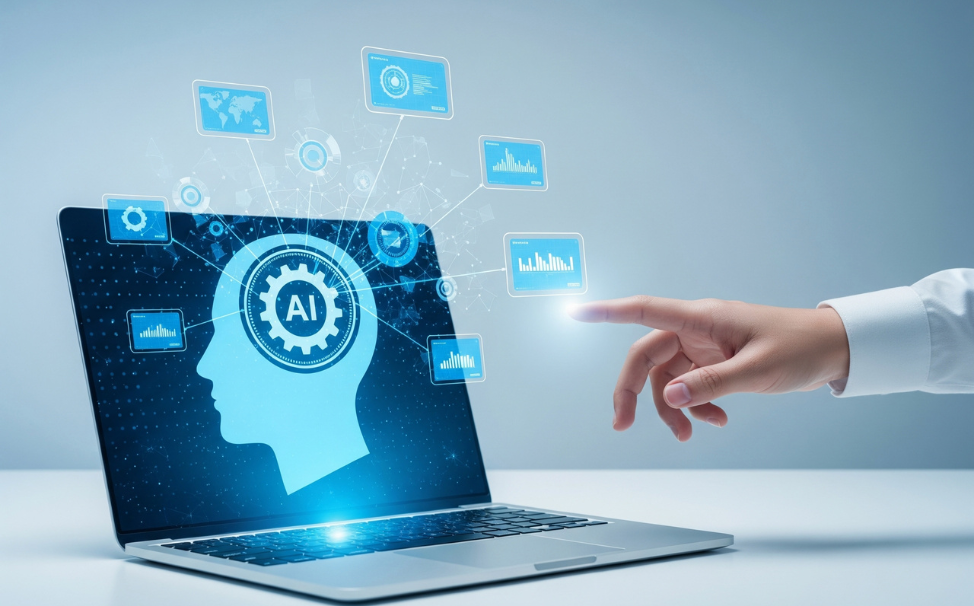
Why Leading with AI Matters for Small and Medium-Sized Businesses
October 10, 2025
Fake CAPTCHA Sites Hijack Clipboard to Install Malware
October 10, 2025
Understanding Business Email Compromise (BEC)
By Kordel Eberly August 17, 2025
Welcome to the Cyber Cold War
fish hook
By Eberly Systems September 20, 2024
We're all in the same boat trying to avoid cybercrime! Here's our top ways to identify a potential phishing attempt.
By Eberly Systems September 10, 2024
Focus on integrating with new team members and new customers